Beginner’s Guide to Modern Technology: Understanding AI, Cloud Computing, and Smart Devices
Summary :The rapid acceleration of digital innovation in 2026 has transformed how we interact with the world. From Artificial Intelligence (AI) and Cloud Computing to the seamless integration of Smart Devices, technology is no longer just a luxury—it is an essential part of daily life. This comprehensive guide breaks down these complex concepts into simple, actionable insights, helping beginners understand the core technologies driving the modern era and how they can leverage them for greater efficiency and connectivity.
In the last few years, the world has entered a new digital age. Terms like “AI,” “The Cloud,” and “IoT” are mentioned everywhere, yet for many, they remain abstract concepts. As we navigate through 2026, understanding these pillars of modern technology is crucial for anyone looking to stay relevant in a fast-changing landscape. This guide serves as a foundational roadmap to the technologies that are redefining our homes, workplaces, and global communication.
Artificial Intelligence (AI): The Brain of Modern Tech
Artificial Intelligence is no longer a concept from science fiction; it is a practical tool used in almost every industry today. At its core, AI refers to computer systems designed to perform tasks that typically require human intelligence, such as recognizing speech, making decisions, and identifying patterns.
- Machine Learning: This is a subset of AI where computers “learn” from data over time without being explicitly programmed for every task.
- Generative AI: In 2026, this technology has become highly advanced, allowing systems to create text, images, and even complex code based on simple human prompts.
- Practical Impact: AI powers everything from the personalized recommendations on your favorite streaming service to advanced medical diagnostics and autonomous driving systems.
Cloud Computing: The Digital Storage Revolution
Many beginners ask, “Where is the Cloud?” Simply put, Cloud Computing is the delivery of computing services—including servers, storage, databases, and software—over the internet. Instead of saving everything on your computer’s hard drive, you store and access data through remote servers.
- Accessibility: The Cloud allows you to access your files from any device, anywhere in the world, as long as you have an internet connection.
- Scalability: For businesses, the Cloud provides the ability to scale resources up or down instantly, reducing the need for expensive physical hardware.
- Collaboration: Tools that allow multiple people to edit a document simultaneously are powered entirely by cloud infrastructure.
Smart Devices and the Internet of Things (IoT)
The “Internet of Things” (IoT) refers to the billions of physical devices around the world that are now connected to the internet, all collecting and sharing data. A “Smart Device” is essentially an everyday object—like a watch, a thermostat, or a refrigerator—that has been enhanced with sensors and connectivity.
- Smart Homes: In 2026, smart devices allow homeowners to control lighting, security, and temperature remotely via mobile apps.
- Wearable Tech: Devices like smartwatches track health metrics in real-time, providing valuable data on heart rate, sleep patterns, and physical activity.
- Efficiency: Smart devices are designed to automate routine tasks, saving time and reducing energy consumption in modern households.
How These Technologies Work Together
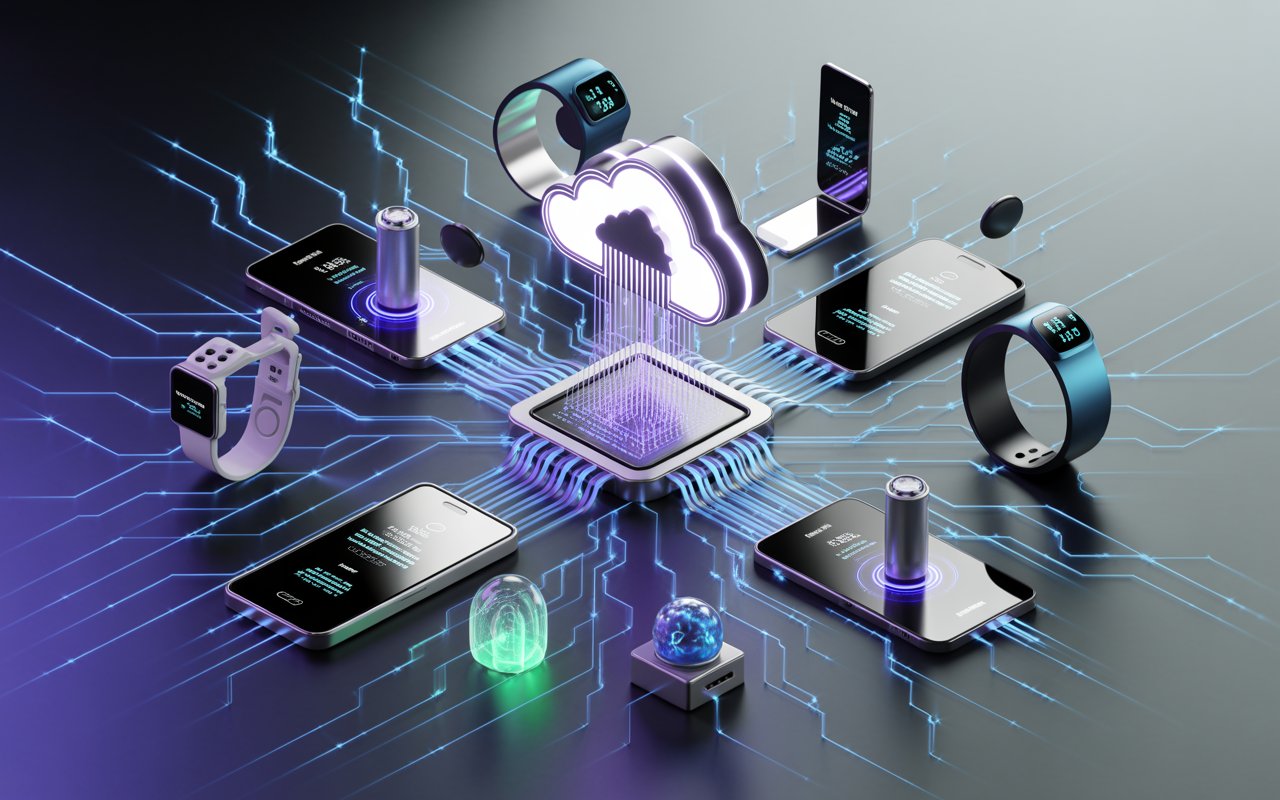
The true power of modern technology lies in the synergy between these three pillars. For example, a Smart Device (like a security camera) captures data, sends it to the Cloud for storage, and then AI analyzes that footage to distinguish between a family member and an intruder. This interconnectedness is what makes our modern world “smart.”
Key Considerations for Beginners
- Cybersecurity: As we become more connected, protecting your digital identity with strong passwords and two-factor authentication is essential.
- Continuous Learning: Technology evolves quickly; staying curious and following reputable tech blogs can help you keep up with new updates.
- Privacy Settings: Always review the privacy policies of your smart devices and cloud services to understand how your data is being used.
Conclusion
Transitioning into the digital world can feel overwhelming, but the goal of modern technology is ultimately to simplify our lives. By understanding the basics of AI, Cloud Computing, and Smart Devices, you are better equipped to navigate the 2026 digital landscape with confidence. Embracing these innovations today ensures that you are not just a spectator, but an active participant in the future of technology.
FAQs:
Is my data safe in the Cloud?
Cloud providers use advanced encryption and security protocols that are often much stronger than personal computer security. However, using strong passwords and multi-factor authentication is highly recommended for users.
Does AI mean robots will replace human jobs?
While AI automates certain repetitive tasks, it is primarily seen as a tool to enhance human productivity. It creates new opportunities and industries that didn’t exist a decade ago.
Do I need a high-speed internet connection for Smart Devices?
Most smart devices require a stable internet connection to function correctly, especially for remote control features and real-time data syncing.
Do I need to be a “tech expert” to use smart devices or AI?
No, not at all. One of the biggest goals of modern technology in 2026 is “user-centric design.” Most AI tools and smart devices are built with simple interfaces that anyone can use.
Are smart devices expensive to maintain?
Generally, no. While the initial purchase of a smart device might be higher than a traditional one, they are designed to be energy-efficient.
Post Comment